CCTV systems have emerged as a powerful tool for monitoring and recording activities in various settings, from public spaces to private premises. One of the significant capabilities of CCTV is its ability to capture vehicle number plates, aiding in crime prevention, traffic management, and access control.
With the advancement of technology, modern CCTV systems have become increasingly sophisticated, capable of capturing clear images of vehicle number plates even in challenging conditions.
This blog post will explore “How does CCTV camera Capture Vehicle Number Plate“, its benefits, challenges, legal considerations, and future advancements.
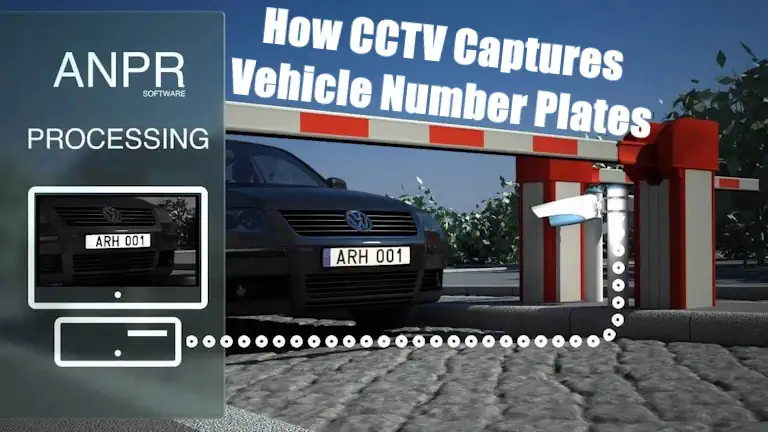
How does CCTV camera capture Vehicle Number Plate?
Capturing vehicle number plates accurately is essential for various applications, including law enforcement, traffic management, and access control.
CCTV systems employ several techniques to ensure the reliable capture of number plates:
1. Install ANPR and NPR camera systems.
- ANPR’s full form is Automatic Number Plate Recognition, and NPR stands for Number Plate Recognition. ANPR and NPR refer to a technology used in CCTV cameras to read and analyse vehicle number plates automatically.
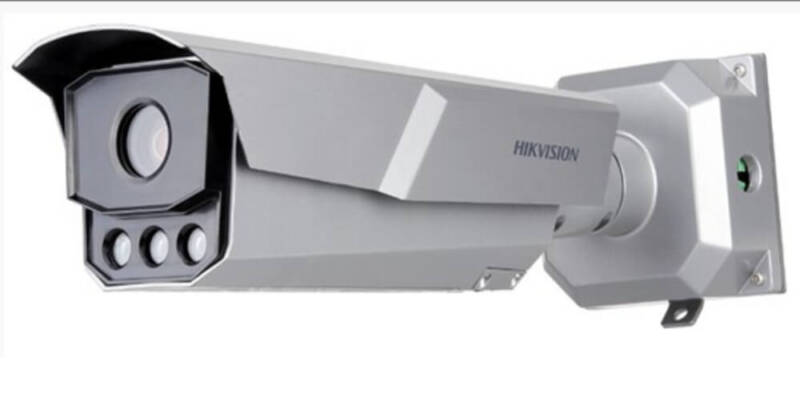
- ANPR/NPR CCTV cameras are equipped with specialised software and hardware to capture clear images of vehicle number plates and extract the alphanumeric characters from them.
2. Camera placement and angle
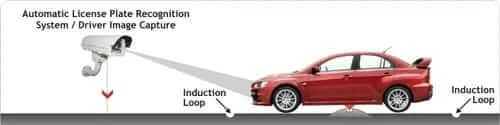
- To capture vehicle number plates, the Strategic placement of CCTV cameras is crucial for capturing clear images of vehicle number plates.
- CCTVs are positioned at suitable locations such as intersections, entry and exit points, and toll booths, where vehicles will likely pass at slower speeds.
- The camera angle is adjusted to capture the front or rear of the vehicles, depending on the desired information.
3. Image quality and resolution
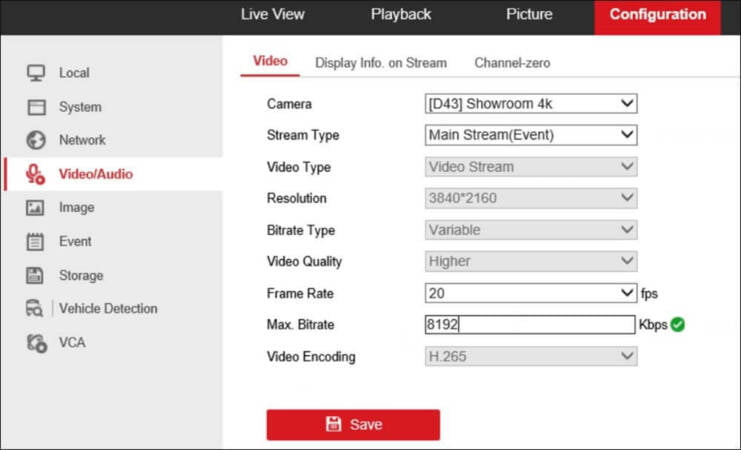
- High-quality images with sufficient resolution are necessary to capture clear vehicle number plates, readable number plates.
- Modern CCTV cameras offer high-definition (HD) and even ultra-high-definition (UHD) resolutions, ensuring that the captured images contain the necessary details for identification purposes.
4. OCR technology
- Optical Character Recognition (OCR) technology plays a significant role in accurately extracting number plate information from CCTV footage.
- OCR algorithms analyse the captured images and convert the characters on the number plate into machine-readable text.
- This enables the automated processing and indexing of the captured data for further analysis or storage.
5. Advanced Analytics
- Advanced video analytics algorithms are employed in some CCTV systems to enhance the accuracy and functionality of number plate capture.
- These algorithms can detect and track vehicles, extract real-time number plate information, and trigger alerts or actions based on predefined rules.
- Such analytics can also detect suspicious or wanted vehicles by comparing the captured number plates against databases of known vehicles.
Benefits of CCTV capturing vehicle number plates
The ability of CCTV systems to capture vehicle number plates offers numerous benefits in various domains:
1. Crime prevention and investigation
- CCTV footage with clear number plate captures can significantly aid in preventing and investigating crimes.
- Law enforcement agencies can use this data to track and apprehend suspects involved in criminal activities, such as hit-and-run incidents, robberies, or terrorist activities.
- The recorded evidence can be presented in court, strengthening the legal proceedings and leading to successful convictions.
2. Traffic management and enforcement
- CCTV systems with number plate capture capabilities are invaluable for traffic management and enforcement.
- Traffic authorities can monitor traffic flow, detect traffic violations such as speeding or red-light running, and issue automated fines or penalties.
- This helps maintain road safety, reduce congestion, and promote compliance with traffic regulations.
3. Parking management
- CCTV systems with number plate recognition can streamline parking management in public and private spaces.
- These systems can monitor parking lots, automatically detect unauthorised parking or overstaying vehicles, and facilitate efficient parking allocation.
- CCTV can enable seamless payment and ticketless parking experiences by integrating with payment systems.
4. Access control and security
- Number plate recognition through CCTV can enhance access control and security measures. CCTV can grant or deny entry based on registered number plates in controlled environments such as gated communities, office complexes, or secure facilities.
- This ensures authorised access and provides a robust layer of security against unauthorised entry.
Challenges and limitations
While CCTV systems offer significant benefits in capturing vehicle number plates, certain challenges and limitations need to be addressed:
1. Privacy concerns
- The use of CCTV systems, especially with number plate capture capabilities, raises privacy concerns among the public.
- Striking a balance between public safety and privacy rights is crucial, and adequate measures should be in place to ensure that the data collected is used responsibly and in compliance with relevant regulations.
2. Data storage and management
- CCTV systems generate vast data. Storing and managing this data efficiently and securely can be a challenging task.
- Adequate storage infrastructure and retention policies should be implemented to ensure that the data is accessible when needed.
3. Weather and lighting conditions
- Capturing clear number plate images can be challenging in adverse weather or poor lighting conditions.
4. False positives and errors
- CCTV systems utilising number plate recognition algorithms may occasionally generate false positives or errors in reading number plates.
- Factors like dirt, damage, or non-standard number plate formats can affect the accuracy of the recognition process..
Legal Considerations and Regulations
The use of CCTV systems, particularly with number plate capture capabilities, is subject to various legal considerations and regulations:
1. Data protection and privacy laws
Depending on the jurisdiction, data protection and privacy laws may govern the collection, storage, and usage of CCTV data, including number plate capture.
Organisations deploying such systems must comply with these laws to secure the privacy and security of individuals’ personal information.
2. Retention and access policies
Clear retention and access policies should be in place to govern how long CCTV footage and associated data, including number plate captures, are retained.
These policies may influence legal requirements, operational needs, or specific industry guidelines.
3. Compliance with local regulations
Countries and regions may have different or specific regulations or guidelines governing the use of CCTV systems, including restrictions on camera placement, signage requirements, and data-sharing practices.
Compliance with these regulations is crucial to ensure CCTV’s lawful and ethical use for capturing vehicle number plates.
Conclusion
Understanding how does CCTV camera capture vehicle number plate is vital for recognising their role in modern surveillance and traffic management. With the integration of high-resolution imaging, proper camera placement, and optical character recognition (OCR), CCTV systems equipped with Automatic Number Plate Recognition (ANPR) technology can effectively identify vehicles in diverse conditions.
This capability provides significant advantages, such as aiding law enforcement, enhancing parking management, securing restricted areas, and deterring unlawful activities. By combining advanced analytics with reliable hardware, organisations can achieve accurate results even in low-light or high-speed scenarios.
However, alongside these benefits come responsibilities and challenges. Privacy concerns, legal regulations, storage demands, and environmental conditions must be carefully addressed to ensure that number plate capture remains effective and ethical. When deployed thoughtfully—supported by clear policies, legal compliance, and transparency—CCTV technology becomes a powerful and trustworthy tool. Ultimately, responsible use ensures lasting value while safeguarding public trust.