CCTV Security Camera Systems have emerged as vital tools for protecting homes, businesses, and public spaces. These systems offer a comprehensive surveillance solution, leveraging advanced technology to monitor activities, deter potential threats, and provide valuable evidence when needed.
This article aims to delve into the intricacies of CCTV security camera systems, exploring their components, functionality, and the numerous advantages they bring to the table.
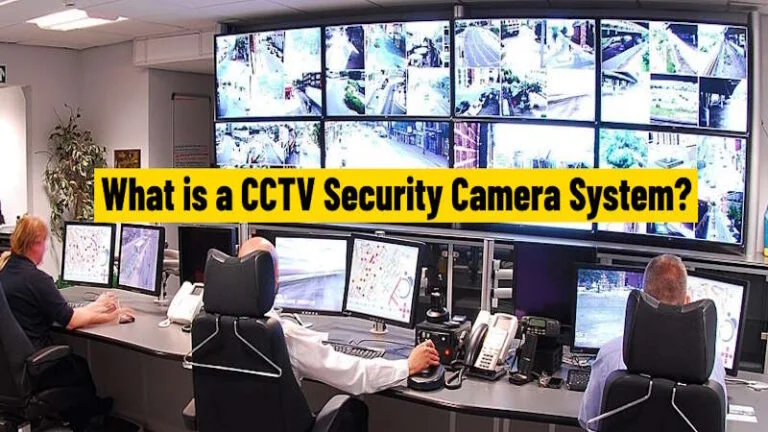
What is a CCTV Security Camera System?
A CCTV security camera system is a network of interconnected devices designed to capture, monitor, and record visual information within a specified area.
The system consists of several key components that work in tandem to provide comprehensive surveillance coverage.
These components include cameras, DVR/NVR, a video management system (VMS), recording equipment, and display monitors.
Components of a CCTV Security Camera System
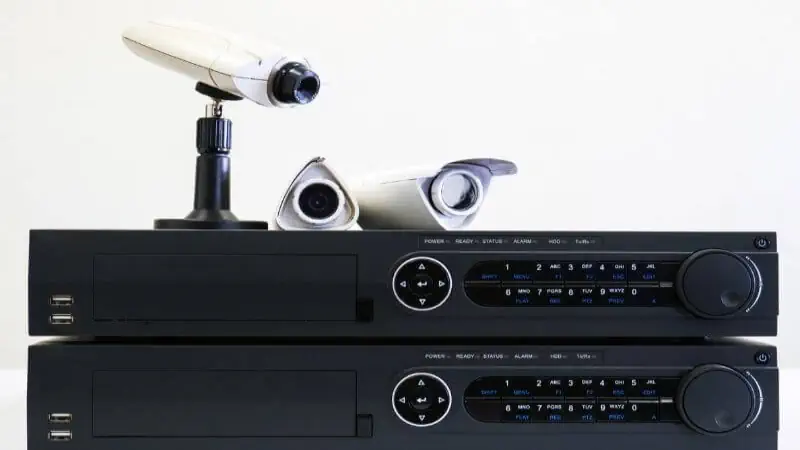
- Cameras: The heart of the system, CCTV cameras come in various types, such as dome cameras, bullet cameras, PTZ (Pan-Tilt-Zoom) cameras, IP cameras and more. Each camera type is suited to different surveillance needs and environments. Cameras capture video footage and transmit it to the video management system for processing.
- Video Management System (VMS): The VMS is the central control hub of the CCTV security camera system. It manages the video feeds from the cameras, allowing operators to view and control the cameras, configure settings, and review recorded footage. The VMS may also include advanced features such as motion detection, facial recognition, and analytics capabilities to enhance surveillance efficiency.
- Recording Equipment: CCTV security systems require a means to store the captured video footage. Recording equipment, such as DVRs (Digital Video Recorders) or NVRs (Network Video Recorders), is responsible for storing and managing the recorded video data.
- Display Monitors: Display monitors are used to view live video feeds or playback recorded footage. They provide real-time monitoring capabilities, allowing operators to keep a watchful eye on the monitored areas.
Display monitors can be dedicated screens or computer monitors connected to the DVR/NVR or VMS.
How Does a CCTV Security Camera System Work?
CCTV camera systems work by capturing video footage, transmitting it to the DVR/NVR or VMS, and storing it for future reference. The system operates in the following manner:
- Video Capture: The cameras within the CCTV system capture cctv video footage based on their respective field of view. They convert the visual information into electrical signals, which are then transmitted through cables or wirelessly to the DVR/NVR.
- Video Transmission: The captured video data is transmitted to the NVR/DVR either through wired connections, such as coaxial and Ethernet cables, or wirelessly via Wi-Fi or other network protocols.
- Video Management: The DVR/NVR receives the video feeds from the cameras and manages them accordingly. It provides a centralised interface for operators to monitor the live video streams, control camera movements (in the case of PTZ cameras), and configure system settings.
- Video Storage: The recording equipment, such as DVRs or NVRs, stores the video footage on CCTV HDD and Cloud storage for later retrieval. The storage capacity can vary depending on the system’s requirements, with options for local storage on-site or remote storage in cloud-based servers.
- Video Playback and Analysis: The NVR/NVR or VMS facilitates playback capabilities, allowing users to search for specific events, analyse details, and extract relevant information.
Advantages of CCTV Security Camera Systems
Installing CCTV security cameras has become a standard practice for homes, businesses, and public spaces. Modern systems are not only affordable but also easy to use and highly effective in maintaining safety. Below are the key benefits of CCTV systems:
1. Crime Deterrence
- Visible CCTV cameras discourage potential criminals.
- People are less likely to attempt theft, vandalism, or trespassing when they know cameras are watching.
- This proactive approach reduces crime before it even happens, creating a safer environment.
2. Real-Time Monitoring
- CCTV systems allow live video surveillance at any time.
- Security staff can monitor activities and quickly detect unusual behaviour.
- Immediate intervention reduces the chances of damage, theft, or violence.
- Some systems also send instant alerts when suspicious activity is detected.
3. Evidence for Investigation
- In case of an incident, CCTV footage provides strong visual evidence.
- Helps identify suspects, confirm exact times, and reconstruct events.
- Recorded video is highly valuable for police investigations and court proceedings.
- This not only helps solve cases faster but also supports justice with proof-based reporting.
4. Remote Access and Control
- Modern CCTV systems support remote access through smartphones, tablets, or computers.
- Business owners and homeowners can check their property anytime, even while travelling.
- This ensures peace of mind and quicker action in case of emergencies.
- Some advanced systems allow remote control, such as zooming or rotating the camera.
5. Wide Applications Across Sectors
- Residential Use – Protects homes, children, and valuable assets.
- Commercial Use – Prevents shoplifting, employee theft, and unauthorised access.
- Industrial Use – Monitors warehouses, production areas, and worker safety.
- Public Safety – Used in malls, airports, railway stations, and streets to control crime and improve law enforcement.
- These versatile applications make CCTV a reliable solution for both private and public security.
6. Integration with Other Security Systems
- CCTV can be linked with alarms, access control, motion sensors, and intercoms.
- This creates a complete security ecosystem where all systems work together.
- For example: If an intruder forces entry, the alarm sounds, the CCTV records, and access control locks the door simultaneously.
- Such integration offers faster and more effective responses to threats.
Conclusion OF CCTV Security Camera System
CCTV security camera systems have become indispensable tools for ensuring safety and security in today’s world. By combining cameras, a video management system, recording equipment, and display monitors, these systems provide advanced surveillance capabilities.
They offer real-time monitoring, deter criminal activities, assist in investigations, and enhance overall security across various sectors.
Understanding the components, functionality, and advantages of CCTV security camera systems enables individuals and organisations to make informed decisions when it comes to protecting their properties, assets, and communities.