Traditional Closed-Circuit Television (CCTV) systems have been the go-to solution for property monitoring and security. However, as technology evolves, so does the way we protect our homes and businesses. With the rapid growth of cloud computing, the security industry has shifted toward smarter, more efficient solutions.
Cloud based CCTV systems are at the forefront of this transformation. They offer features that traditional systems simply can’t match, including remote access, real-time alerts, flexible storage, and tamper-proof security.
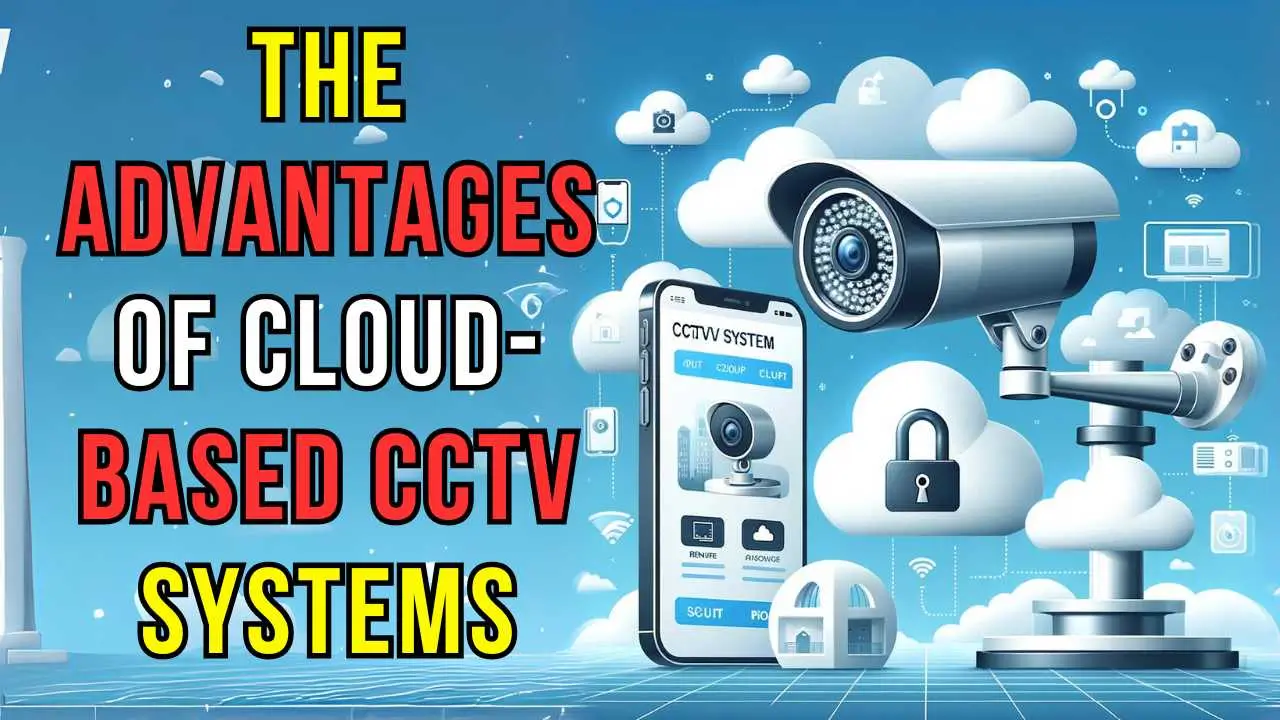
In this article, we’ll break down what cloud CCTV is, how it works, its advantages and disadvantages, use cases, and why it’s becoming the preferred choice for modern surveillance.
What is a Cloud Based CCTV System?
A cloud based CCTV system is a type of video surveillance where recordings are stored online instead of on local devices such as DVRs (Digital Video Recorders) or NVRs (Network Video Recorders).
Here’s how it works:
- Cameras capture video footage as usual.
- Instead of saving it on-site, the data is transmitted via the internet.
- The footage is securely stored on remote servers—“the cloud.”
- Users can log in from a web browser or mobile app to view live or recorded video.
This setup eliminates the risks of physical tampering or equipment damage while enabling remote CCTV monitoring from anywhere in the world.
Cloud Based CCTV vs. Traditional CCTV
Before diving into the advantages, it’s helpful to compare cloud CCTV with conventional setups.
| Feature | Traditional CCTV | Cloud Based CCTV |
|---|---|---|
| Storage | DVR/NVR devices on-site | Secure cloud servers |
| Access | Limited to local monitors | Remote access via mobile/PC |
| Scalability | Hardware upgrades required | Flexible, subscription-based |
| Security Risks | DVR theft, damage, tampering | Encrypted, redundant backups |
| Cost | High upfront hardware costs | Lower upfront, ongoing subscription |
| Maintenance | Manual updates & servicing | Automatic updates from provider |
This comparison clearly shows why many businesses and homeowners are moving toward cloud video surveillance.
Advantages of Cloud Based CCTV Systems
1. Remote Access Anytime, Anywhere
One of the biggest selling points of cloud CCTV is accessibility. Whether you’re at work, on holiday, or even overseas, you can monitor your cameras from any device connected to the internet.
- Real-Time Monitoring: View live streams instantly.
- Instant Alerts: Receive notifications via SMS, email, or mobile app when unusual activity is detected.
- Peace of Mind: Always know what’s happening, even when you’re away.
This level of convenience makes it ideal for both residential users and businesses with multiple properties.
2. Cost-Efficiency and Savings
Traditional systems often require DVRs, hard drives, backup storage, and ongoing maintenance. These costs add up quickly.
With cloud CCTV storage:
- There’s no need for expensive recording hardware.
- Subscription plans let you pay only for what you need.
- Updates, backups, and security patches are handled by the provider.
For small businesses and homeowners, this reduces both upfront costs and long-term expenses.
You can use our CCTV HDD Calculator to get an approximate idea of how much cloud or HDD space you’ll need.
3. Enhanced Security and Data Protection
Data safety is a top concern in any surveillance system. Cloud providers invest heavily in cybersecurity measures to keep your footage secure.
- Encryption: Video data is encrypted during upload and while stored.
- Redundancy: Files are backed up across multiple servers and locations.
- Tamper-Proof Storage: Even if on-site cameras are stolen, the recordings remain safe in the cloud.
This makes cloud CCTV far more secure than local-only solutions.
4. Scalability and Flexibility
Growing businesses often need to expand their security coverage. With traditional systems, this means buying more DVRs, upgrading cctv storage, and dealing with complex installations.
Cloud CCTV solves this with:
- Easy installation (minimal technical expertise required).
- Effortless expansion by simply adding new cameras.
- Multi-location management via a single online dashboard.
This makes it equally suitable for a small home setup and a large multi-site business.
5. Efficient Storage and Retrieval
Cloud systems save you hours when reviewing footage.
- Searchable Archives: Quickly find specific events using time, date, or AI-powered filters.
- Extended Storage Options: Choose how long to retain footage (7 days, 30 days, or more).
- Automatic Archiving: Old files are archived to free up space without manual intervention.
For businesses that need to meet compliance regulations, customizable storage is a huge advantage.
Disadvantages of Cloud Based CCTV Systems
While the benefits are impressive, cloud CCTV isn’t perfect. Here are some drawbacks:
- Internet Dependency – Without a stable internet connection, uploading and accessing footage may be disrupted.
- Ongoing Subscription Costs – Unlike traditional one-time purchases, cloud services require monthly or yearly fees.
- Initial Setup Costs – Some cameras may need to be upgraded to cloud-compatible versions.
- Privacy Concerns – Storing personal footage on third-party servers raises concerns, though encryption helps mitigate risks.
- High Data Usage – Uploading continuous video can consume large amounts of internet bandwidth.
These disadvantages should be carefully weighed against the benefits, especially for users with limited internet speed or budget constraints.
Who Should Use Cloud CCTV Systems?
Cloud based CCTV isn’t a one-size-fits-all solution, but it’s ideal for:
- Homeowners – Wanting remote access and easy setup.
- Small Businesses – Needing affordable, scalable security.
- Retail Stores – Monitoring multiple outlets from one platform.
- Corporates & Enterprises – Managing surveillance across multiple cities or countries.
- Schools & Hospitals – Where safety and compliance are critical.
Essentially, anyone looking for remote monitoring and flexible storage can benefit.
How Cloud CCTV Improves Business Security
Businesses are the biggest adopters of cloud video surveillance because it helps with:
- Loss Prevention: Identify theft or suspicious activity quickly.
- Employee Monitoring: Ensure staff safety and compliance.
- Multi-Branch Control: Centralise management across all locations.
- Data Compliance: Meet industry regulations for secure video storage.
Future of Cloud Video Surveillance
The future of CCTV is closely tied to advancements in AI, IoT, and big data. Cloud CCTV systems are evolving to include:
- AI-Powered Analytics – Automatic detection of unusual behaviour, license plates, or facial recognition.
- Smart Integrations – Connecting CCTV with smart locks, alarms, and other IoT devices.
- Predictive Security – Using historical data to predict and prevent incidents.
- 5G Connectivity – Faster uploads and smoother remote streaming.
As these technologies mature, cloud based CCTV will become even more powerful, efficient, and indispensable.
Conclusion
The rise of cloud based CCTV systems marks a turning point in the world of security. By combining remote accessibility, cost efficiency, enhanced security, flexible storage, and easy scalability, they offer clear advantages over traditional DVR/NVR setups.
While ongoing costs and internet dependency are potential drawbacks, the benefits—especially for businesses and multi-site users—make cloud video surveillance the smarter, future-proof choice.
In a world moving rapidly toward digital transformation, adopting cloud CCTV is no longer a luxury but a necessity for modern, reliable, and secure surveillance.
✅ FAQ Section for Cloud Based CCTV Systems
What is a cloud based CCTV system?
A cloud based CCTV system stores video footage online instead of on local DVR or NVR devices. Your cameras upload footage to secure cloud servers, allowing you to access recordings and live streams remotely through a smartphone, tablet, or computer.
Is cloud CCTV safe?
Yes, cloud CCTV is generally very safe. Most providers use encryption, redundancy, and multiple data centers to protect video footage from hacking, tampering, or accidental loss. Unlike local DVRs that can be stolen or destroyed, cloud storage ensures your data remains secure.
Can cloud CCTV work without the internet?
No, cloud based CCTV systems require an active internet connection to upload and access footage. Without the internet, recordings may not sync to the cloud, though some cameras have local storage as backup until connectivity is restored.
What are the main advantages of cloud CCTV?
The key advantages include remote access from anywhere, real-time alerts, reduced hardware costs, tamper-proof storage, flexible subscription models, and easy scalability for businesses and homeowners.
Are there disadvantages of cloud based CCTV?
Yes. Cloud CCTV depends on a stable internet connection, has ongoing subscription costs, may require compatible cameras, and can consume high bandwidth. Some users also have privacy concerns about storing footage online, although encryption reduces these risks.
Who should use cloud based CCTV systems?
Cloud CCTV is ideal for homeowners, small businesses, retail stores, schools, hospitals, and enterprises with multiple sites. It’s especially useful for those who need remote monitoring and centralised control.
How much does cloud CCTV cost?
Costs vary depending on the provider and storage plan. Most cloud CCTV services use subscription models, starting from basic low-cost plans for homeowners to advanced enterprise solutions for large businesses.